
1800–1877 · United Kingdom · Photographer
William Henry Fox Talbot
Early calotype studies of buildings, objects and light at Lacock Abbey.
The Pencil of Nature, 1844Source: Wikipedia
MASTERS · PEOPLE
In order of birth, from Talbot's paper negatives to today's digital sets. For each: the work they are known for, how they saw, what they shot with, and the page it is checked against.
 1902–1984 · United StatesAnsel AdamsMoonrise, Hernandez, New Mexico, 1941Photographer
 1908–2004 · FranceHenri Cartier-BressonBehind the Gare Saint-Lazare, 1932Photographer
 1820–1910 · FranceNadarSarah Bernhardt, 1864Cinematographer
 1899–1976 · United StatesJames Wong HoweSweet Smell of Success, 1957Photographer
 1931–2016 · Hong KongFan HoApproaching Shadow, 1954Cinematographer
 born 1940 · ItalyVittorio StoraroApocalypse Now, 1979
200 people
BEFORE 1850 · 6 PHOTOGRAPHERS BEFORE 1850 · 0 CINEMATOGRAPHERS
Paper negatives, glass plates and the first studios.
1800–1877 · United Kingdom · Photographer
Early calotype studies of buildings, objects and light at Lacock Abbey.
The Pencil of Nature, 1844Source: Wikipedia

1815–1879 · United Kingdom · Photographer
Soft-focus, close-cropped Victorian portraits and allegorical scenes.
Julia Jackson, 1867Source: Wikipedia
1820–1910 · France · Photographer
Plain-backdrop studio portraits that let a face carry the whole picture.
Sarah Bernhardt, 1864Source: Wikipedia

1822–1896 · United States · Photographer
Studio portraiture and organised battlefield coverage on an industrial scale.
Abraham Lincoln (Cooper Union portrait), 1860Source: Wikipedia

1829–1916 · United States · Photographer
Mammoth-plate landscapes of the American West, vast and precise.
Yosemite (mammoth-plate series), 1861Source: Wikipedia
1830–1904 · United Kingdom · Photographer
Sequential studies of motion made with banks of cameras.
The Horse in Motion, 1878Source: Wikipedia
1850–1899 · 19 PHOTOGRAPHERS 1850–1899 · 6 CINEMATOGRAPHERS
Pictorialists, the first newsreels and the silent studios.

1852–1934 · United States · Photographer
Soft-focus Pictorialist portraits of mothers, children and sitters at rest.
The Manger, 1899Source: Wikipedia

1857–1927 · France · Photographer
Patient, empty-street records of old Paris before modernisation.
Avenue des Gobelins, 1927Source: Wikipedia

1864–1946 · United States · Photographer
From Pictorialism to sharp modernism, with a deep belief in photography as art.
The Steerage, 1907Source: Wikipedia

1872–1944 · United States · Cinematographer
Silent-era pioneer of lighting, close-ups, iris shots and matte photography.
The Birth of a Nation, 1915Source: Wikipedia

1874–1940 · United States · Photographer
Direct, dignified portraits of working children and labourers.
Young Doffers in the Elk Cotton Mills, 1910Source: Wikipedia
1876–1964 · Germany · Photographer
Typological portraits of every class and trade, frontal and calm.
Face of Our Time (Antlitz der Zeit), 1929Source: Wikipedia

1879–1973 · United States · Photographer
Painterly early work, then glossy modern fashion and celebrity portraits.
The Flatiron, 1904Source: Wikipedia

1883–1976 · United States · Photographer
Sharp-focus studies of plants, bodies and industrial forms.
Magnolia Blossom, 1925Source: Wikipedia

1886–1958 · United States · Photographer
Sharp, sensual close-ups of peppers, shells, nudes and dunes.
Pepper No. 30, 1930Source: Wikipedia

1886–1981 · United States · Cinematographer
Soft-focus pictorial photography carried into film, and early 3-D.
Sunrise: A Song of Two Humans, 1927Source: Wikipedia
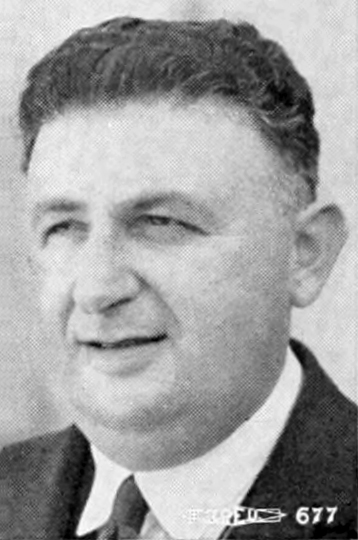
1890–1969 · Germany · Cinematographer
The 'unchained camera' of German Expressionism, later studio Hollywood polish.
The Last Laugh, 1924Source: Wikipedia

1890–1976 · United States · Photographer
Surrealist experiment: photograms, solarisation and staged portraits.
Le Violon d'Ingres, 1924Source: Wikipedia

1890–1976 · United States · Photographer
Hard-edged modernism and quiet portraits of rural communities.
Wall Street, 1915Source: Wikipedia

1891–1973 · Peru · Photographer
Portraits and landscapes of the Peruvian Andes, lit with natural light.
The Giant of Paruro (Juan de la Cruz Sihuana), 1925Source: Wikipedia
1893–1977 · Germany · Cinematographer
Mirror tricks turned into poetic, smoky realism.
The Hustler, 1961Source: Wikipedia
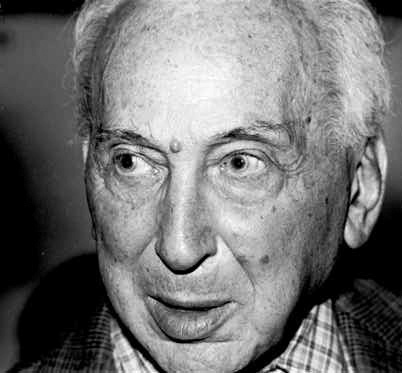
1894–1985 · Hungary · Photographer
Lyrical small-camera observations with unusual angles and humour.
The Fork, 1928Source: Wikipedia
1894–1954 · France · Photographer
Surreal, gender-fluid self-portraits and photomontages.
Aveux non avenus, 1930Source: Wikipedia

1895–1965 · United States · Photographer
Humane documentary portraits of the dispossessed.
Migrant Mother, 1936Source: Wikipedia

1895–1946 · Hungary · Photographer
Camera-less photograms, bird's-eye views and hard light treated as a material.
Malerei, Fotografie, Film (Painting, Photography, Film), 1925Source: Wikipedia

1896–1942 · Italy · Photographer
Modernist photography that turned increasingly political.
Roses, 1924Source: Wikipedia
1897–1985 · Germany · Photographer
Dynamic modernist pictures of steel, machines and cities.
Métal, 1928Source: Wikipedia

1898–1991 · United States · Photographer
Crisp large-format views of a city being rebuilt, and scientific images.
Changing New York, 1939Source: Wikipedia

1898–1978 · United States · Cinematographer
Sculpted studio lighting across silent and sound eras.
Shanghai Express, 1932Source: Wikipedia
1899–1984 · France · Photographer
Night photographs of Paris streets, bars and nightlife.
Paris de nuit, 1933Source: Wikipedia
1899–1976 · United States · Cinematographer
Low-key lighting, deep shadow and wide-angle lenses.
Sweet Smell of Success, 1957Source: Wikipedia
1900–1929 · 32 PHOTOGRAPHERS 1900–1929 · 31 CINEMATOGRAPHERS
Picture magazines, the Depression and the sound stages.
1901–1988 · Japan · Cinematographer
Kurosawa's camera for rain, mud and vast colour battlefields.
Seven Samurai, 1954Source: Wikipedia
1901–1996 · United States · Cinematographer
Hard shadows and pools of light that defined film noir.
T-Men, 1947Source: Wikipedia
1901–1974 · United States · Cinematographer
Bold Technicolor of the Fox studio era.
Leave Her to Heaven, 1945Source: Wikipedia
1901–1983 · United States · Photographer
Frank, close-up street portraits with a blunt humanism.
Promenade des Anglais, 1934Source: Wikipedia
1902–1984 · United States · Photographer
Sharp black-and-white landscapes of the American West with full tonal range.
Moonrise, Hernandez, New Mexico, 1941Source: Wikipedia
1902–1998 · United Kingdom · Cinematographer
Sweeping, lush widescreen colour.
Lawrence of Arabia, 1962Source: Wikipedia

1902–2002 · Mexico · Photographer
Poetic, quietly surreal views of Mexican life.
Striking Worker, Assassinated, 1934Source: Wikipedia

1902–2000 · Italy · Cinematographer
Neorealist grit that opened up into Fellini's nocturnal spectacle.
La Dolce Vita, 1960Source: Wikipedia
1903–1993 · Mexico · Photographer
Modernist portraits and street pictures of postrevolutionary Mexico.
Galería de Arte Contemporáneo (Frida Kahlo exhibition), 1953Source: Wikipedia

1903–1975 · United States · Photographer
Frontal, plain-spoken records of American vernacular life.
American Photographs, 1938Source: Wikipedia
1904–1983 · United Kingdom · Photographer
High-contrast social documentary, then distorted nudes and stark landscapes.
The English at Home, 1936Source: Wikipedia

1904–1948 · United States · Cinematographer
Deep focus, with near and far planes sharp at once.
Citizen Kane, 1941Source: Wikipedia

1904–1999 · Argentina · Photographer
Surreal photomontages and modernist portraits.
Los Sueños (for Idilio), 1948Source: Wikipedia

1904–1971 · United States · Photographer
Bold industrial and reportage images with a monumental sense of scale.
Fort Peck Dam (first Life cover), 1936Source: Wikipedia
1906–1980 · United States · Cinematographer
Poetic realist black and white.
On the Waterfront, 1954Source: Wikipedia
1906–1985 · United States · Cinematographer
Studio craft across epic spectacle and modern drama.
Ben-Hur, 1959Source: Wikipedia
1907–1997 · France · Photographer
Surrealist photomontage and street photography.
Portrait of Ubu, 1936Source: Wikipedia
1907–1997 · Mexico · Cinematographer
Framing and chiaroscuro of Mexican cinema's golden age.
Los olvidados, 1950Source: Wikipedia

1907–1977 · United States · Photographer
Surrealist photography and fearless war reportage.
Portrait of Space, 1937Source: Wikipedia
1908–2004 · France · Photographer
Candid 35mm street photography built on geometry and timing.
Behind the Gare Saint-Lazare, 1932Source: Wikipedia
1908–1999 · Japan · Cinematographer
Light through trees, long takes and ink-wash greys.
Rashomon, 1950Source: Wikipedia
1909–1990 · Japan · Photographer
Strict realism, from social documentary to Buddhist temples.
Hiroshima, 1958Source: Wikipedia
1909–1968 · United States · Cinematographer
Elegant suspense photography for Alfred Hitchcock.
Vertigo, 1958Source: Wikipedia

1910–1937 · Germany · Photographer
Front-line reportage from inside the Spanish Civil War.
Spanish Civil War (Barcelona, with Capa and Chim), 1936Source: Wikipedia

1911–1992 · Australia · Photographer
Clean modernist photography of bodies, light and architecture.
Sunbaker, 1937Source: Wikipedia
1912–2012 · United States · Photographer
Intimate, unforced photojournalism about women and public figures.
Marilyn Monroe on the set of The Misfits, 1961Source: Wikipedia

1912–2006 · United States · Photographer
Humane photojournalism about race and poverty, and pioneering film direction.
American Gothic, Washington, D.C., 1942Source: Wikipedia
1913–2016 · United Kingdom · Cinematographer
From Ealing comedy to the Indiana Jones adventures.
Raiders of the Lost Ark, 1981Source: Wikipedia
1913–2009 · United States · Photographer
Lyrical street photography of New York children and neighbourhoods, later in colour.
In the Street, 1948Source: Wikipedia
1913–2012 · India · Photographer
Press photography of India's leaders across the end of colonial rule and the early republic.
Bombay Chronicle (start of career), 1938Source: Wikipedia

1913–1954 · Hungary · Photographer
Close, physical war reportage taken from inside the action.
The Falling Soldier, 1936Source: Wikipedia
1913–1981 · United Kingdom · Cinematographer
Tilted angles and shadowy, wet streets.
The Third Man, 1949Source: Wikipedia
1913–2000 · Japan · Photographer
Staged, surreal figures arranged on the Tottori sand dunes.
Sand Dune series, 1949Source: Wikipedia
1914–1978 · United Kingdom · Cinematographer
Soft, diffused light and large-scale visual effects work.
2001: A Space Odyssey, 1968Source: Wikipedia
1914–2013 · United Kingdom · Cinematographer
Crisp black and white and clean, bright science fiction.
Star Wars, 1977Source: Wikipedia

1914–2009 · United Kingdom · Cinematographer
Painterly early Technicolor, from silent film to colour masterpieces.
Black Narcissus, 1947Source: Wikipedia
1915–1987 · France · Cinematographer
Sober night photography and the first New Wave realism.
The 400 Blows, 1959Source: Wikipedia
1915–2014 · United Kingdom · Cinematographer
Inventive colour treatments across six decades.
Fiddler on the Roof, 1971Source: Wikipedia
1917–2007 · United Kingdom · Cinematographer
Rich black and white and finely judged period colour.
The Elephant Man, 1980Source: Wikipedia

1917–2009 · United States · Photographer
Austere studio portraits and still lifes of great formal precision.
Small Trades, 1950Source: Wikipedia
1918–1978 · United States · Photographer
Dramatic, deeply printed photo essays built around human dignity.
Country Doctor, 1948Source: Wikipedia

1919–2009 · United States · Photographer
Deep-toned, intimate pictures of Harlem life and jazz musicians.
The Sweet Flypaper of Life (with Langston Hughes), 1955Source: Wikipedia
1919–2001 · France · Cinematographer
Formal, painterly compositions and stylised colour.
Last Year at Marienbad, 1961Source: Wikipedia

1920–1966 · Italy · Cinematographer
Luminous modern black and white.
8 1/2, 1963Source: Wikipedia
1921–2001 · Mali · Photographer
Elegant studio portraits of Bamako residents with patterned backdrops.
Bamako-Koura (first studio), 1948Source: Wikipedia

1922–2015 · United States · Cinematographer
Documentary-inflected realism and political engagement.
Who's Afraid of Virginia Woolf?, 1966Source: Wikipedia
1922–2006 · Sweden · Cinematographer
Simple, soft natural light and intense close-ups of faces.
Persona, 1966Source: Wikipedia
1923–1971 · United States · Photographer
Square, frontal portraits of people on the margins, made with their consent.
Child with Toy Hand Grenade in Central Park, 1962Source: Wikipedia

1923–2021 · Italy · Cinematographer
Rich, panoramic colour for Visconti and Fellini.
The Leopard, 1963Source: Wikipedia

1923–2002 · Austria · Photographer
Literate, warm documentary pictures from many cultures.
Fiesta in Pamplona, 1956Source: Wikipedia

1923–2004 · United States · Photographer
Stark white-background portraits and kinetic fashion photography.
Dovima with Elephants, 1955Source: Wikipedia

1923–2013 · United States · Photographer
Painterly colour street photography seen through glass, snow and reflections.
Early Color, 2006Source: Wikipedia

1923–2005 · Italy · Cinematographer
From Italy's first colour film to Pasolini and Leone.
The Good, the Bad and the Ugly, 1966Source: Wikipedia

1923–2014 · India · Cinematographer
Shafts of light and deep shadows in Hindi cinema's golden age.
Pyaasa, 1957Source: Wikipedia
1924–2016 · France · Cinematographer
Handheld, available-light photography of the French New Wave.
Breathless, 1960Source: Wikipedia

1924–2019 · United States · Photographer
Loose, grainy, personal pictures of America seen from the road.
The Americans, 1958Source: Wikipedia
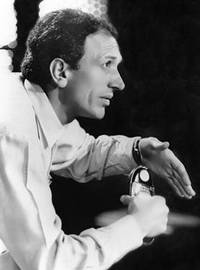
1925–2004 · Italy · Cinematographer
Colour used as emotion: painted landscapes for Antonioni, warm Manhattan interiors for Woody Allen.
Blowup, 1966Source: Wikipedia
1926–2003 · United States · Cinematographer
Bold, poetic use of flare, rain and silhouette.
Butch Cassidy and the Sundance Kid, 1969Source: Wikipedia
1926–2009 · United States · Photographer
Unseen-for-decades street photography of Chicago and New York.
Vivian Maier: Street Photographer, 2011Source: Wikipedia

1928–2001 · Cuba · Photographer
Fashion photography turned revolutionary portraiture.
Guerrillero Heroico, 1960Source: Wikipedia
1928–1984 · United States · Photographer
Restless, tilted street pictures of American public life.
The Animals, 1969Source: Wikipedia
1929–1991 · Czech Republic · Cinematographer
Bold, experimental colour and texture of the Czech New Wave.
Daisies, 1966Source: Wikipedia

1929–2018 · Poland · Cinematographer
Atmospheric, painterly Polish cinema of the 1970s.
The Wedding, 1972Source: Wikipedia
1930–1959 · 36 PHOTOGRAPHERS 1930–1959 · 37 CINEMATOGRAPHERS
The street, colour, and the new waves in European and Asian film.
1930–2018 · South Africa · Photographer
Quiet, analytical documentary of South African society under and after apartheid.
On the Mines (with Nadine Gordimer), 1973Source: Wikipedia
1930–2014 · Nigeria · Photographer
Sculptural black-and-white studies of Nigerian women's hairstyles.
Nigerian hairstyles (series), 1968Source: Wikipedia
1930–1992 · Spain · Cinematographer
Natural window light and magic-hour exteriors.
Days of Heaven, 1978Source: Wikipedia
1930–2012 · Japan · Photographer
Dark, fragmentary images of postwar Japan and American occupation.
Hiroshima, Nagasaki, Document, 1961Source: Wikipedia
1930–2001 · India · Cinematographer
Natural bounce light and quiet realism.
Pather Panchali, 1955Source: Wikipedia

1930–2016 · United States · Cinematographer
Pre-flashed, muted colour and atmospheric haze.
Close Encounters of the Third Kind, 1977Source: Wikipedia

born 1931 · Brazil · Photographer
Lyrical, often experimental images of the Yanomami people.
Yanomami: The House, The Forest, The Invisible, 1998Source: Wikipedia
1931–2016 · Hong Kong · Photographer
Geometric light-and-shadow street scenes of 1950s and 1960s Hong Kong.
Approaching Shadow, 1954Source: Wikipedia
1931–2014 · United States · Cinematographer
Top light and deep underexposure that earned him the name the Prince of Darkness.
The Godfather, 1972Source: Wikipedia

1933–2004 · United States · Photographer
News photography of war, politics and celebrity.
Saigon Execution, 1968Source: Wikipedia

1933–2024 · Japan · Photographer
Theatrical, erotic and mythic black-and-white collaborations.
Barakei (Ordeal by Roses), 1963Source: Wikipedia
1933–2007 · United States · Cinematographer
Loose, natural-light American New Wave photography.
Easy Rider, 1969Source: Wikipedia
1934–2001 · United States · Cinematographer
Naturalistic, cinema verite-inspired photography of the New Hollywood.
Chinatown, 1974Source: Wikipedia

born 1934 · United States · Photographer
Dense, layered frames of the social landscape, full of reflections and poles.
Self Portrait, 1970Source: Wikipedia
1934–2012 · Japan · Photographer
Dark, personal black-and-white work driven by loss and obsession.
Karasu (Ravens), 1986Source: Wikipedia

1934–2015 · Czech Republic · Cinematographer
Painterly period colour and warm candlelight.
Amadeus, 1984Source: Wikipedia

born 1935 · United Kingdom · Photographer
Unflinching war and famine reportage in dark, heavy prints.
Shell-shocked US Marine, Hue, 1968Source: Wikipedia
1935–1996 · United States · Cinematographer
Smoky shafts of light and neon-lit darkness.
Blade Runner, 1982Source: Wikipedia
1935–2016 · Mali · Photographer
Joyful black-and-white pictures of youth culture and parties in Bamako.
Nuit de Noël (Happy Club), 1963Source: Wikipedia

1935–2017 · Germany · Cinematographer
Restless, circling camera and long tracking shots.
Goodfellas, 1990Source: Wikipedia
1935–2020 · United States · Cinematographer
Lurid night colour and stark black-and-white fight scenes.
Taxi Driver, 1976Source: Wikipedia
1936–2023 · United States · Cinematographer
Gritty, realistic New York of 1970s cinema.
The French Connection, 1971Source: Wikipedia

born 1938 · Japan · Photographer
Grainy, blurred, high-contrast street pictures of Japanese cities.
Stray Dog, Misawa, 1971Source: Wikipedia

born 1938 · Czech Republic · Photographer
Stark, high-contrast black and white of exile, Roma life and ruins.
Prague 1968 (Warsaw Pact invasion), 1968Source: Wikipedia
born 1939 · United States · Photographer
Saturated colour pictures of the ordinary American South.
William Eggleston's Guide, 1976Source: Wikipedia
born 1940 · United Kingdom · Cinematographer
Documentary-trained naturalism in natural light.
The Killing Fields, 1984Source: Wikipedia
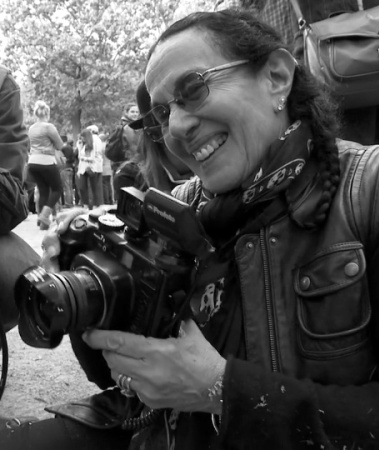
1940–2015 · United States · Photographer
Empathetic documentary portraits of people living on the margins.
Ward 81, 1979Source: Wikipedia
born 1940 · Japan · Photographer
Diaristic, often erotic photography of Tokyo life, love and death.
Sentimental Journey, 1971Source: Wikipedia
1940–2018 · Netherlands · Cinematographer
Natural colour, available light and open roads.
Paris, Texas, 1984Source: Wikipedia
born 1940 · Italy · Cinematographer
Colour as meaning, built on a theory of light and its psychology.
Apocalypse Now, 1979Source: Wikipedia
1942–2020 · United States · Cinematographer
Warm, glowing backlight and childhood wonder.
E.T. the Extra-Terrestrial, 1982Source: Wikipedia

born 1942 · Mexico · Photographer
Black-and-white studies of Indigenous Mexican life, ritual and identity.
Nuestra Señora de las Iguanas, 1979Source: Wikipedia

born 1942 · Australia · Cinematographer
Lyrical landscape and kinetic multi-camera action.
The English Patient, 1996Source: Wikipedia
1942–1999 · India · Photographer
Dense, warm colour pictures of Indian street life.
Ganga: Sacred River of India, 1974Source: Wikipedia
born 1943 · Italy · Cinematographer
Cool, controlled urban night and glossy period noir.
Heat, 1995Source: Wikipedia

1944–2018 · Iran · Photographer
Reportage on religion, revolution and conflict.
Return to Mexico, journeys beyond the mask, 1992Source: Wikipedia

born 1944 · Germany · Photographer
Empty, symmetrical colour interiors of libraries, theatres and museums.
Libraries, 2005Source: Wikipedia

1944–2025 · Brazil · Photographer
Monumental black-and-white documentary of labour, migration and wild nature.
Workers, 1993Source: Wikipedia
born 1945 · France · Cinematographer
Elegant natural light across European and American cinema.
A River Runs Through It, 1992Source: Wikipedia

born 1945 · Poland · Cinematographer
Coloured filters that wash a whole film in one emotional tone.
Three Colours: Blue, 1993Source: Wikipedia

born 1946 · Canada · Photographer
Staged, cinematic tableaux shown as large backlit transparencies.
The Destroyed Room, 1978Source: Wikipedia
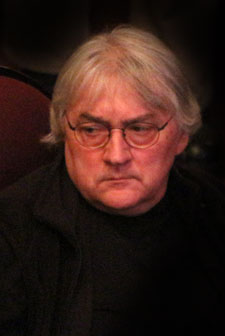
born 1946 · Hungary · Cinematographer
Warm, sensual colour in period drama.
Mephisto, 1981Source: Wikipedia

born 1947 · Brazil · Cinematographer
Sun-bleached, humane realism of Brazilian cinema.
Central Station, 1998Source: Wikipedia
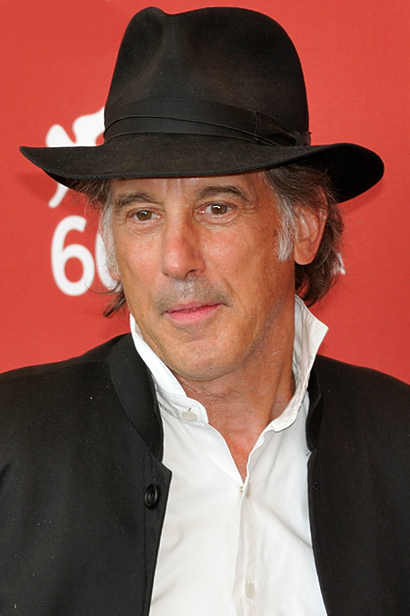
born 1948 · United States · Cinematographer
Period-accurate colour and texture inspired by the films of each era.
Far from Heaven, 2002Source: Wikipedia

born 1948 · Japan · Photographer
Long-exposure, large-format meditations on time and light.
Seascapes, 1980Source: Wikipedia

born 1948 · United States · Photographer
Grave, compassionate photojournalism of war and famine.
Inferno, 1999Source: Wikipedia

born 1948 · United States · Photographer
Collaborative documentary that returns pictures to the people in them.
Carnival Strippers, 1976Source: Wikipedia

born 1949 · United States · Photographer
Theatrical, carefully lit celebrity portraits.
John Lennon and Yoko Ono (Rolling Stone cover), 1980Source: Wikipedia

born 1949 · United Kingdom · Cinematographer
Restrained, motivated light and precise composition.
The Shawshank Redemption, 1994Source: Wikipedia
born 1951 · France · Cinematographer
Sensual attention to bodies, skin and landscape.
Beau Travail, 1999Source: Wikipedia

born 1951 · United States · Photographer
Wire-service news photography.
The Terror of War, 1972Source: Wikipedia

born 1951 · United States · Photographer
Large-format, often wet-plate black and white of family and the American South.
Immediate Family, 1992Source: Wikipedia

born 1952 · Australia · Cinematographer
Saturated, improvised colour for Hong Kong arthouse cinema.
In the Mood for Love, 2000Source: Wikipedia
born 1952 · United States · Cinematographer
Sweeping natural landscapes and battle epics.
Braveheart, 1995Source: Wikipedia

1952–2025 · United Kingdom · Photographer
Satirical, saturated colour documentary of leisure and consumption.
The Last Resort, 1986Source: Wikipedia
born 1953 · United States · Photographer
Staged and archival photography on race, gender and power.
The Kitchen Table Series, 1990Source: Wikipedia

born 1953 · United States · Photographer
Diaristic colour snapshots of friends, love and loss.
The Ballad of Sexual Dependency, 1986Source: Wikipedia

born 1954 · France · Cinematographer
Austere, luminous images across more than a hundred films.
Of Gods and Men, 2010Source: Wikipedia

born 1954 · United States · Photographer
Staged self-portraits that interrogate roles, stereotypes and images.
Untitled Film Stills, 1977Source: Wikipedia
born 1954 · Taiwan · Cinematographer
Natural light on real film and graceful camera movement.
In the Mood for Love, 2000Source: Wikipedia

born 1955 · Germany · Photographer
Huge, digitally composed colour views of global systems and crowds.
Rhein II, 1999Source: Wikipedia
born 1955 · United Kingdom · Cinematographer
Digital, kinetic and handheld, rooted in Dogme 95.
Slumdog Millionaire, 2008Source: Wikipedia

born 1955 · France · Cinematographer
Dense, dark, textured colour and rich shadow.
Se7en, 1995Source: Wikipedia

born 1955 · Mexico · Cinematographer
Rich, dark fairy-tale colour.
Pan's Labyrinth, 2006Source: Wikipedia

born 1955 · United States · Cinematographer
Hot top-light halos and bold mixed formats.
JFK, 1991Source: Wikipedia
1956–2015 · Australia · Cinematographer
Painterly fantasy landscapes on a vast scale.
The Lord of the Rings: The Fellowship of the Ring, 2001Source: Wikipedia
born 1957 · China · Cinematographer
Bold, saturated colour of the Fifth Generation.
Farewell My Concubine, 1993Source: Wikipedia
1957–2012 · United States · Cinematographer
Minimal, soft available light and long takes.
Elephant, 2003Source: Wikipedia

born 1957 · Iran · Photographer
Black-and-white photographs and video on gender and power in Iran.
Women of Allah, 1993Source: Wikipedia
1958–1981 · United States · Photographer
Blurred black-and-white self-portraits in decaying interiors.
Eel Series, Roma, 1977Source: Wikipedia

born 1959 · United States · Cinematographer
Documentary-rooted camera in fiction, documentary and music video.
Eternal Sunshine of the Spotless Mind, 2004Source: Wikipedia

born 1959 · Poland · Cinematographer
Desaturated, high-contrast light with blown-out windows.
Schindler's List, 1993Source: Wikipedia

born 1959 · Netherlands · Photographer
Large frontal colour portraits of adolescents and people in transition.
Beach Portraits, 1992Source: Wikipedia
1960 ON · 7 PHOTOGRAPHERS 1960 ON · 26 CINEMATOGRAPHERS
Large sensors, digital sets and the people shooting today.
born 1960 · Australia · Photographer
Staged photographs and films on Indigenous Australian history and memory.
Something More, 1989Source: Wikipedia
born 1961 · India · Photographer
Book-objects and mobile museums of black-and-white photographs.
Myself Mona Ahmed, 2001Source: Wikipedia

born 1961 · United States · Cinematographer
Grounded, film-based realism in large-scale genre cinema.
Inception, 2010Source: Wikipedia
born 1961 · China · Cinematographer
Formal, disciplined compositions of Fifth Generation cinema.
Raise the Red Lantern, 1991Source: Wikipedia

born 1962 · South Korea · Cinematographer
Precise framing and a unified, stylised visual tone.
Parasite, 2019Source: Wikipedia
born 1962 · Nigeria · Photographer
Theatrical self-portraits in costume.
Tati series, 1997Source: Wikipedia

born 1963 · Australia · Cinematographer
Lush, energetic colour in large productions.
Elvis, 2022Source: Wikipedia
born 1964 · Mexico · Cinematographer
Long, roaming takes in natural light.
Children of Men, 2006Source: Wikipedia

born 1964 · France · Cinematographer
Intimate, textured film naturalism for European and international directors.
Happy as Lazzaro, 2018Source: Wikipedia

born 1964 · India · Cinematographer
Lush colour and fluid movement across Indian languages and genres.
Roja, 1992Source: Wikipedia
born 1965 · Chile · Cinematographer
Digital pioneering and bright, clean large-scale imagery.
The Curious Case of Benjamin Button, 2008Source: Wikipedia

born 1965 · United States · Cinematographer
Observational documentary camera shaped by questions of ethics.
Derrida, 2002Source: Wikipedia

born 1965 · Mexico · Cinematographer
Bold, texture-driven images that shift with the story.
Brokeback Mountain, 2005Source: Wikipedia
born 1968 · Belgium · Cinematographer
Saturated, hallucinatory colour and restless camera.
Irréversible, 2002Source: Wikipedia
born 1968 · Australia · Cinematographer
Stylised colour and pioneering digital night photography.
Chicago, 2002Source: Wikipedia

born 1968 · United States · Cinematographer
Subjective, kinetic camera close to the character.
Requiem for a Dream, 2000Source: Wikipedia

born 1968 · Germany · Photographer
Intimate snapshots, abstractions and installations of mixed sizes.
Freischwimmer, 2003Source: Wikipedia

born 1970 · Ireland · Cinematographer
Handheld naturalism and wide-angle period strangeness.
The Favourite, 2018Source: Wikipedia
born 1970 · Thailand · Cinematographer
Patient, natural-light 35mm imagery.
Uncle Boonmee Who Can Recall His Past Lives, 2010Source: Wikipedia

born 1971 · Netherlands · Cinematographer
Handheld work, shot primarily on film.
Oppenheimer, 2023Source: Wikipedia
born 1972 · Japan · Photographer
Soft, light-filled colour pictures of small, everyday moments.
Utatane, 2001Source: Wikipedia

born 1972 · South Africa · Photographer
Black-and-white portraits and self-portraits of Black LGBTQIA+ South Africans.
Faces and Phases, 2006Source: Wikipedia

born 1973 · United States · Photographer
Conflict and humanitarian reportage focused on women's lives.
It's What I Do (memoir), 2015Source: Wikipedia

born 1974 · United Kingdom · Cinematographer
Monumental imagery and intimate independent drama.
The Brutalist, 2024Source: Wikipedia

born 1975 · Australia · Cinematographer
Textured light, shadow and silhouette.
Dune, 2021Source: Wikipedia

born 1977 · United States · Cinematographer
Low-light, underexposed images that honour darker skin tones.
Arrival, 2016Source: Wikipedia
born 1977 · United States · Cinematographer
Intimate, often handheld, emotional camera.
Frozen River, 2008Source: Wikipedia
born 1978 · Denmark · Cinematographer
Naturalistic light attentive to the female gaze.
The Hunt, 2012Source: Wikipedia
born 1978 · United States · Cinematographer
Austere period darkness and black and white for Robert Eggers.
The Lighthouse, 2019Source: Wikipedia

born 1978 · United States · Cinematographer
Naturalistic, emotionally grounded light.
Mudbound, 2017Source: Wikipedia

born 1980 · United States · Cinematographer
Precise, controlled digital monochrome and cool colour.
Mank, 2020Source: Wikipedia

born 1981 · Poland · Cinematographer
Austere black and white and fixed, unblinking frames.
Ida, 2013Source: Wikipedia
born 1984 · Australia · Cinematographer
Composed, painterly frames with a stillness that builds tension.
Lady Macbeth, 2016Source: Wikipedia
Nobody matches. Clear the search or pick All eras.