
1872–1944 · United States · Cinematographer
Billy Bitzer
Silent-era pioneer of lighting, close-ups, iris shots and matte photography.
The Birth of a Nation, 1915Source: Wikipedia
CINEMATOGRAPHER · 1886–1981 · UNITED STATES
Soft-focus pictorial photography carried into film, and early 3-D.

KNOWN FOR
WHY THEY MATTER
Photo-Secession member published in Camera Work; inventor of the Struss Pictorial Lens, the first soft-focus lens used in motion pictures; four Academy Award nominations; founding member of the Academy.
THE LIFE
Struss was a New York photographer who invented the Struss Pictorial Lens, a soft-focus lens, in 1909. Alfred Stieglitz invited him into the Photo-Secession in 1912, and his work appeared in Camera Work. In film he shot F. W. Murnau's Sunrise and Charlie Chaplin's The Great Dictator and Limelight, and was nominated four times for the Academy Award. He was a founding member of the Academy and an early pioneer of 3-D films.
WHAT THEY SHOT WITH
Struss Pictorial Lens
1872–1944 · United States · Cinematographer
Silent-era pioneer of lighting, close-ups, iris shots and matte photography.
The Birth of a Nation, 1915Source: Wikipedia
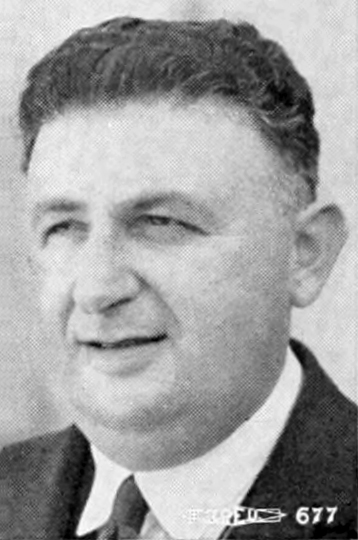
1890–1969 · Germany · Cinematographer
The 'unchained camera' of German Expressionism, later studio Hollywood polish.
The Last Laugh, 1924Source: Wikipedia
1893–1977 · Germany · Cinematographer
Mirror tricks turned into poetic, smoky realism.
The Hustler, 1961Source: Wikipedia

1898–1978 · United States · Cinematographer
Sculpted studio lighting across silent and sound eras.
Shanghai Express, 1932Source: Wikipedia

1899–1976 · United States · Cinematographer
Low-key lighting, deep shadow and wide-angle lenses.
Sweet Smell of Success, 1957Source: Wikipedia