
1886–1981 · United States · Cinematographer
Karl Struss
Soft-focus pictorial photography carried into film, and early 3-D.
Sunrise: A Song of Two Humans, 1927Source: Wikipedia
CINEMATOGRAPHER · 1872–1944 · UNITED STATES
Silent-era pioneer of lighting, close-ups, iris shots and matte photography.

KNOWN FOR
WHY THEY MATTER
D. W. Griffith's cameraman from 1908 on landmark silent films, credited with many innovations in cinematography.
THE LIFE
Bitzer worked as a projectionist and developed early film technology for the American Mutoscope Company, which became Biograph. His 1896 film of William McKinley appeared on Biograph's first programme. From 1908 he worked with D. W. Griffith for the rest of his career, using innovative lighting, close-ups, iris shots and matte photography. Their collaboration produced The Birth of a Nation and Intolerance.
1886–1981 · United States · Cinematographer
Soft-focus pictorial photography carried into film, and early 3-D.
Sunrise: A Song of Two Humans, 1927Source: Wikipedia
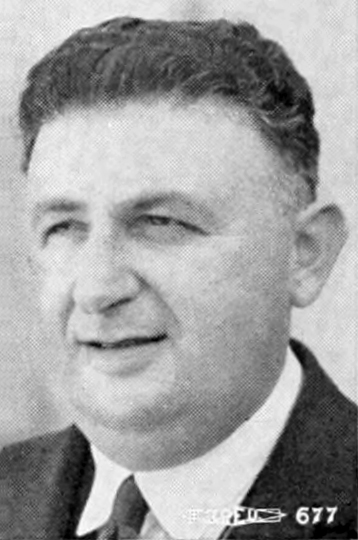
1890–1969 · Germany · Cinematographer
The 'unchained camera' of German Expressionism, later studio Hollywood polish.
The Last Laugh, 1924Source: Wikipedia
1893–1977 · Germany · Cinematographer
Mirror tricks turned into poetic, smoky realism.
The Hustler, 1961Source: Wikipedia

1898–1978 · United States · Cinematographer
Sculpted studio lighting across silent and sound eras.
Shanghai Express, 1932Source: Wikipedia

1899–1976 · United States · Cinematographer
Low-key lighting, deep shadow and wide-angle lenses.
Sweet Smell of Success, 1957Source: Wikipedia