1901–1988 · Japan · Cinematographer
Asakazu Nakai
Kurosawa's camera for rain, mud and vast colour battlefields.
Seven Samurai, 1954Source: Wikipedia
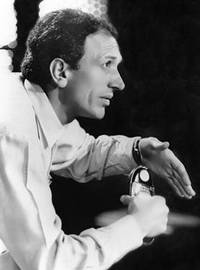
CINEMATOGRAPHER · 1925–2004 · ITALY
Colour used as emotion: painted landscapes for Antonioni, warm Manhattan interiors for Woody Allen.
KNOWN FOR
WHY THEY MATTER
Shot Antonioni's Red Desert and Blowup, then a long run of Woody Allen pictures; Silver Ribbon for Red Desert and a BAFTA nomination for Blowup.
THE LIFE
Di Palma grew up in a poor Roman family; his mother sold flowers on the Spanish Steps and his father was a studio camera operator, whom he watched at work as a boy. He worked his way up in Italian studios, shared the camera on Divorce Italian Style and made his name with Michelangelo Antonioni, shooting Red Desert and Blowup. In the 1980s and 1990s he became Woody Allen's regular director of photography, from Hannah and Her Sisters and Radio Days to Mighty Aphrodite. He also directed a handful of films, and died in Rome in 2004.
1901–1988 · Japan · Cinematographer
Kurosawa's camera for rain, mud and vast colour battlefields.
Seven Samurai, 1954Source: Wikipedia
1901–1996 · United States · Cinematographer
Hard shadows and pools of light that defined film noir.
T-Men, 1947Source: Wikipedia
1901–1974 · United States · Cinematographer
Bold Technicolor of the Fox studio era.
Leave Her to Heaven, 1945Source: Wikipedia
1902–1998 · United Kingdom · Cinematographer
Sweeping, lush widescreen colour.
Lawrence of Arabia, 1962Source: Wikipedia

1902–2000 · Italy · Cinematographer
Neorealist grit that opened up into Fellini's nocturnal spectacle.
La Dolce Vita, 1960Source: Wikipedia

1904–1948 · United States · Cinematographer
Deep focus, with near and far planes sharp at once.
Citizen Kane, 1941Source: Wikipedia